[ad_1]
Supply chain analyst Ming-Chi Kuo claims to know Apple’s headset and glasses product plans for the next 3 years.
Ming-Chi Kuo has been reporting on Apple’s supply chain for more than 10 years. In September of last year, Kuo claimed that Apple would begin mass-production of the refreshed Vision Pro in 2025 with the M5 chipset. He said that the refreshed headset “would largely remain the same” despite the M5 chipset. Apple’s initial timeline for the launch of Vision Pro was significantly delayed. By the time it launched, Macs using the newer M3 chip had already been shipping for months, and just three months later the new iPad Pro with the M4 chip was released.
The M5 chip hasn’t yet been announced, but Apple claims M4 has a 50% more powerful CPU and 4 times more powerful GPU than M2, suggesting the M5 Vision Pro could deliver a phenomenal performance increase.
Bloomberg’s Mark Gurman has also reported on Apple’s plans for an M5 Vision Pro, subsequent to Kuo’s original claim. But contrary to Kuo’s description of a simple chip upgrade, in April
that Apple is “looking to go further”, with a lighter design and cheaper pricepoint.Kuo reportedHowever, Gurman didn’t go into specifics about exactly how much lighter the headset should be, nor did he give an estimated price.
Apple Vision Air (2027)
Apple’s decision to call its first headset “Vision Pro” strongly hints that it plans a more affordable product line in the future. Kuo, The Information, Mark Gurman, and other sources have claimed to have knowledge of these plans in recent years, though some of these reports have contradicted each other.current Apple Vision ProKuo’s latest report claims that mass production of a headset he calls Apple Vision Air should begin in the second half of 2027, a changed position from his
where he suggested it was delayed “beyond 2027”.
Apple Vision Pro 2 Reportedly Cheaper & Lighter, Mac-Tethered Headset Coming Too
Apple Vision Pro 2 will be cheaper and lighter, not just a chip upgrade, and the company is working on a Mac-tethered headset too, Bloomberg’s Mark Gurman reports.
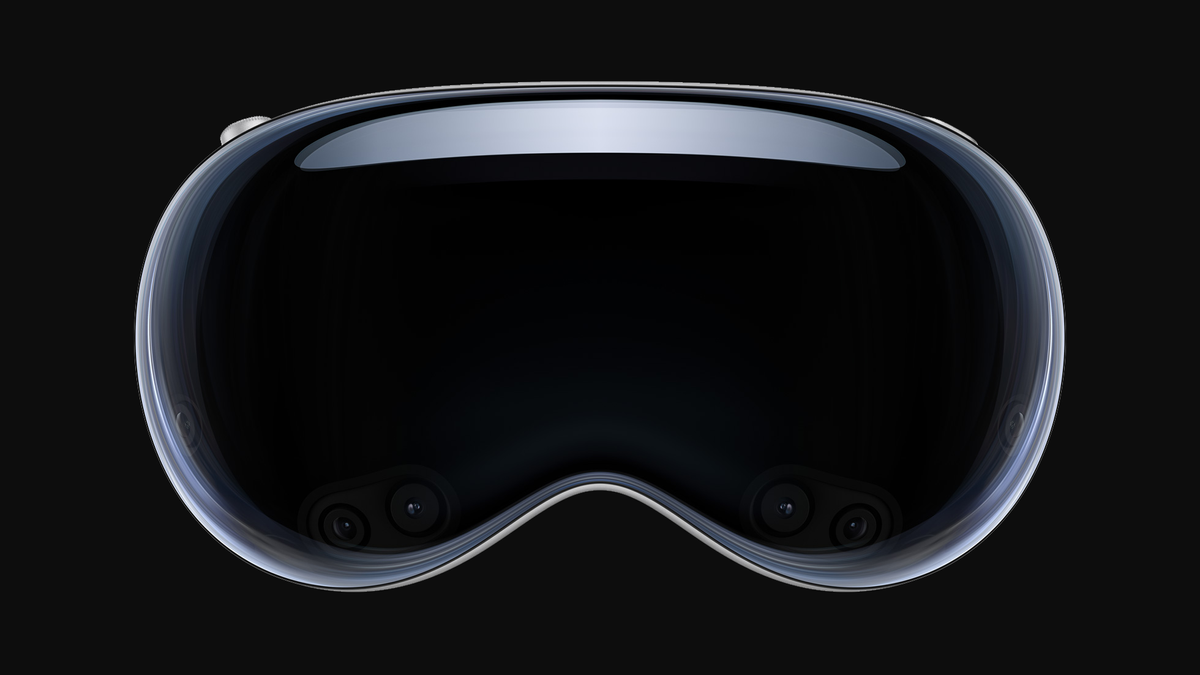
According to Kuo, Apple Vision Air will be over 40% lighter than today’s Vision Pro, and have a “significantly lower price point”.Gurman saidHe claims that this weight and price reduction will be achieved, at least partially, by using A-series chipset (specifically, the one also set to be used in the iPhone 19 Pro), fewer sensors, plastic instead of glass, and magnesium instead of aluminum.
These details line up with what Bloomberg’s Mark Gurman has previously reported. Before Vision Pro was even revealed, Gurman reported that Apple was working on a cheaper model with an A-series chip, and he
that it’s “likely” to not have the EyeSight lenticular display, which Vision Pro uses to show a rendered version of your eyes to people nearby.
All-New Apple Vision Pro (2028)
While Kuo suggests that the near-term Vision Pro refresh will be merely a chipset bump, he also says that Apple plans a truly next generation Vision Pro successor for late 2028.November reportAccording to Kuo’s report, this all-new Vision Pro will continue to use an M-series chipset, and also feature “an entirely new design” that’s “significantly lighter”, while still having a lower price than today’s Vision Pro.
Smart Glasses (2027)
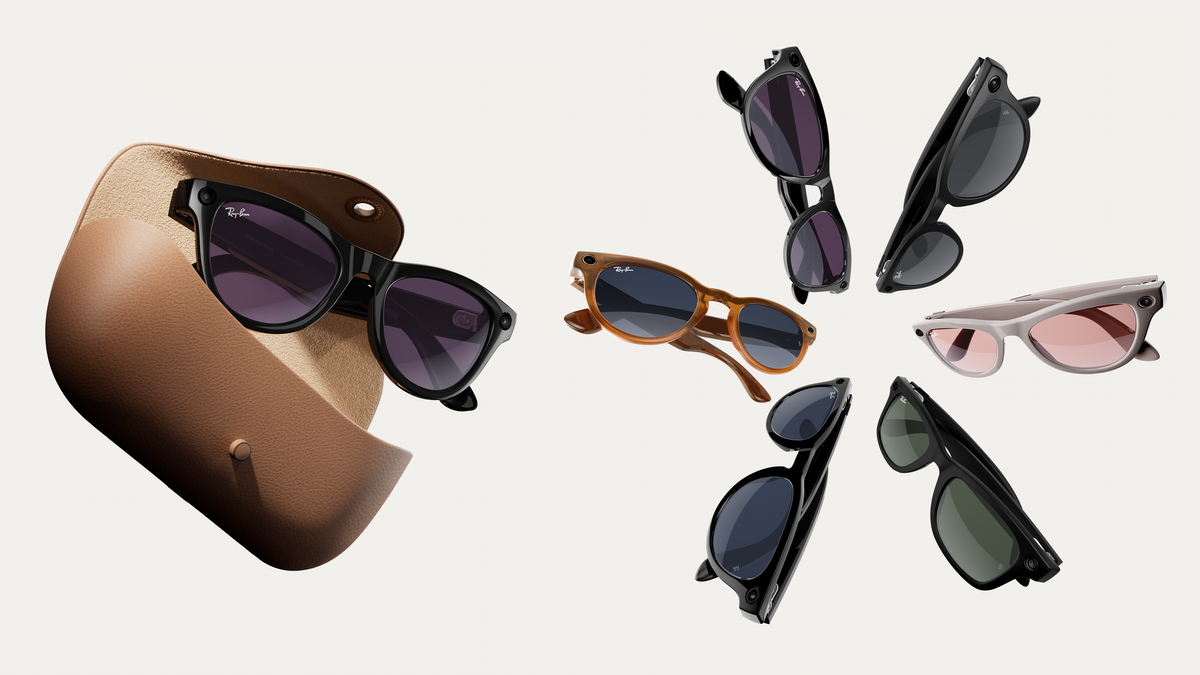
For around 8 months now, Mark Gurman has described Apple’s plans to launch a direct competitor to the Ray-Ban Meta glasses.
Cheaper Apple Vision Could Use iPhone Chip And Lack EyeSight
Apple’s in-development more affordable Vision headset could use an A-series chipset and lack EyeSight.
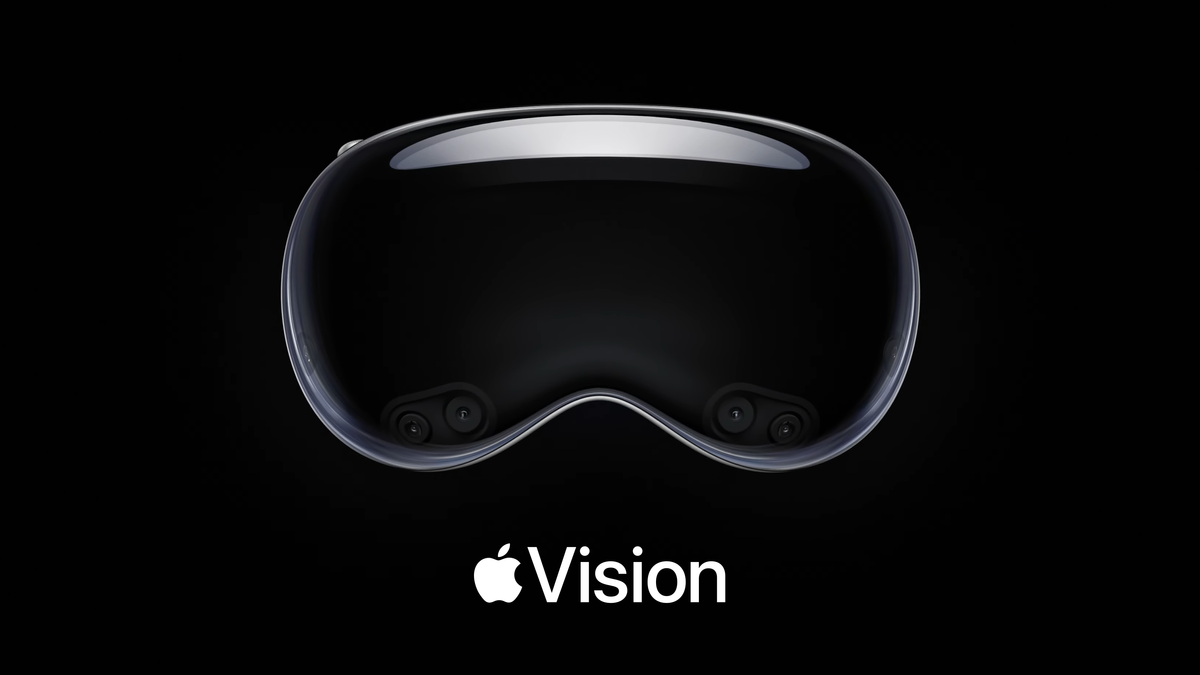
Gurman later said that Apple’s smart glasses will have cameras, microphones and speakers, and be used for phone calls, music playback, live translations, turn-by-turn directions, and multimodal AI, which Apple calls Visual Intelligence, all powered by a new Apple-designed chipset, based on the highly efficient S-series chips used in Apple Watch.
Gurman originally said that Apple planned the glasses for 2027, but in May
that Apple is “ramping up work”, hoping to ship in late 2026.
However, Ming-Chi Kuo’s new report claims that mass production won’t begin until mid-2027, contradicting Gurman’s recent reporting.
According to Kuo, Apple’s suppliers project component shipments sufficient for 3-5 million units in 2027.
For comparison, the Ray-Ban Meta glasses had sold 2 million units
, and Ray-Ban’s owner EssilorLuxottica plans to increase its annual production capacity to 10 million by the end of 2026.has saidDisplay Glasses (On Pause)
In January, Gurman reported that Apple had canceled AR display glasses that would have required a connection to a Mac.saidAccording to Gurman’s report, the original plan was actually for these AR glasses to be powered
Apple Smart Glasses Reportedly Set To Launch In Late 2026
Apple plans to launch its competitor to the Ray-Ban Meta glasses in late 2026, Bloomberg’s Mark Gurman reports.
, but in practice the phone couldn’t provide enough processing power, and it “affected” the phone’s battery life too much. So Apple then pivoted to powering it via a Mac, but the glasses “performed poorly during reviews with executives”, leading to the cancelation.
Kuo’s new report also describes these display glasses, and explicitly states that they would have used
Ray-Ban Meta Glasses Have Sold 2 Million Units, Production To Be Vastly Increased
Ray-Ban Meta glasses have sold 2 million units so far, and the annual production capacity is being increased to 10 million by the end of 2026.
-like birdbath optics with electrochromatic dimming.as of FebruaryHowever, Kuo describes them as “paused” rather than fully canceled, claiming they’re “currently under review for repositioning and specification refinement”, and could be restarted.
True AR Glasses (2028)
Of course, the holy grail for companies like Apple and Meta is to release mass-market true AR glasses, meaning relatively thin and light glasses that you can wear throughout your daily life that can conjure virtual interfaces and objects in the physical world.
Earlier this year, Mark Gurman by your iPhone that Tim Cook is “hell-bent” on releasing “industry-leading” AR glasses before Meta, citing sources claiming that Cook “cares about nothing else” and that they are “the only thing he’s really spending his time on from a product development standpoint”.
Apple Reportedly Cancels Mac-Connected AR Glasses
Apple has canceled AR display glasses that would have required a Mac (or originally, Apple had hoped, your iPhone), Bloomberg’s Mark Gurman reports.
But Gurman also noted that it will take “many years” for Apple’s AR glasses to be ready, saying Xreal that executives don’t expect a product launch until 2028 at the absolute earliest.
Now, Kuo claims that Apple plans mass production in late 2028, using LCoS displays with waveguides.
LCoS displays are essentially LCD microdisplays. Kuo claims that Apple plans to mass produce AR glasses in late 2028, using LCoS displays with waveguides.
LCoS displays Meta also plans to use LCoS for its first AR glasses, which are reportedly planned for 2027.
(claimed used a technology called laser beam scanning (LBS) instead, which the company hoped would prove superior, but actually delivered significant visual artifacts. Kuo claims that Apple is also developing a true AR glass model with a “later production timeline” and ‘lower visibility. While he doesn’t expand on what this might mean,
Gurman reported that Apple has a team at a “secretive facility” developing microLED displays intended for AR glasses.in JanuaryMicroLED is, in theory at least, the ideal display system for AR glasses, with very high efficiency that can offer high brightness with low power draw in a compact form factor, as well as excellent image quality. But no company has yet figured out how to mass produce it at high density, with
Apple Is Still Working On MicroLED Displays For AR Glasses
Apple is reportedly still developing microLED displays for AR glasses, but an actual product won’t be ready until 2028 at the earliest.
from Chinese companies offering a resolution of only around 480p.
If Kuo is to be believed, Apple’s only near-term plan for headsets and glasses is to refresh Vision Pro with an M5 chip, and the company has no product plans for 2026.Snap SpectaclesCome 2027 though, according to Kuo, Apple aims to deliver a significantly cheaper and lighter Apple Vision Air, alongside a Ray-Ban Meta smart glasses competitor integrated with the Apple ecosystem.
Beyond that, Kuo claims Apple will deliver a truly next generation Vision Pro in 2028, alongside its first true AR glasses.HoloLens 2As always though, we should caution that Kuo is not always accurate. Kuo’s new statements contradict both his previous ones and those of other journalists, such as Bloomberg’s Mark Gurman. It’s fascinating to hear what Kuo has to say, but it is more of an indication for Apple’s overall direction based on the conversations it had with
[ad_2]
Source link