[ad_1]
After a successful series of playtests a few months back, it was inevitable that comparisons with
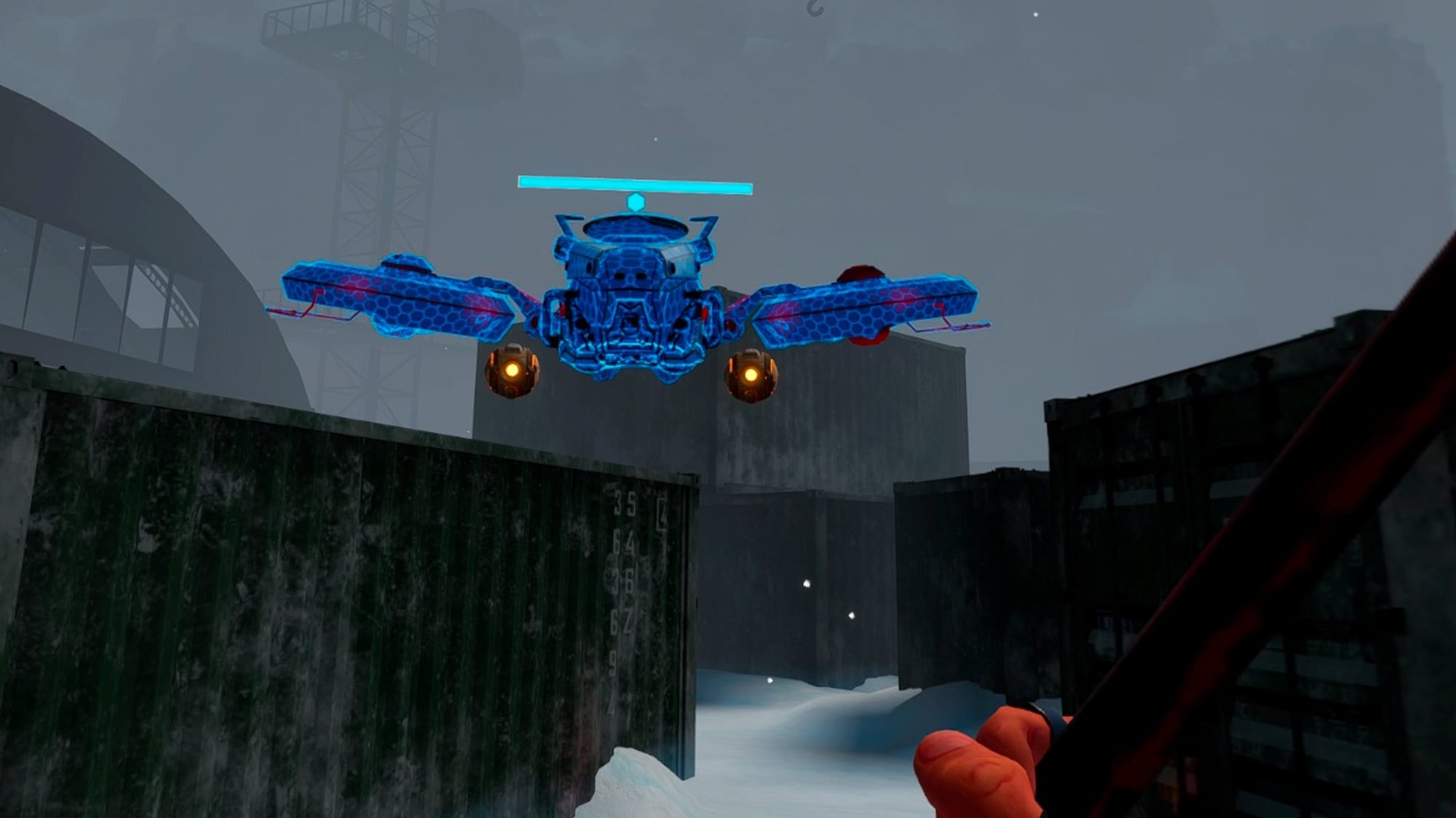
would be made. Into The Darkness is therefore a game that has high expectations. It’s important to note that this game is in Early Access, which means it plays very similar. You should therefore approach it accordingly. The game is full of potential, but it’s also crappy. The mission quickly turns into a combat-driven, tense mystery when you discover the robotic service droids of the base have gone rogue. The narrative does a good job at creating a sense of unease and foreboding in the early levels of the game. According to my personal experience, levels can take between 40 and 60 minutes depending on your success. The early access version also includes a Sandbox Mode where you can experiment with different combat scenarios. Although this is fairly rudimentary in its current state, the developers mention planned improvements to this mode, as well as the addition of an “arcade mode,” in its
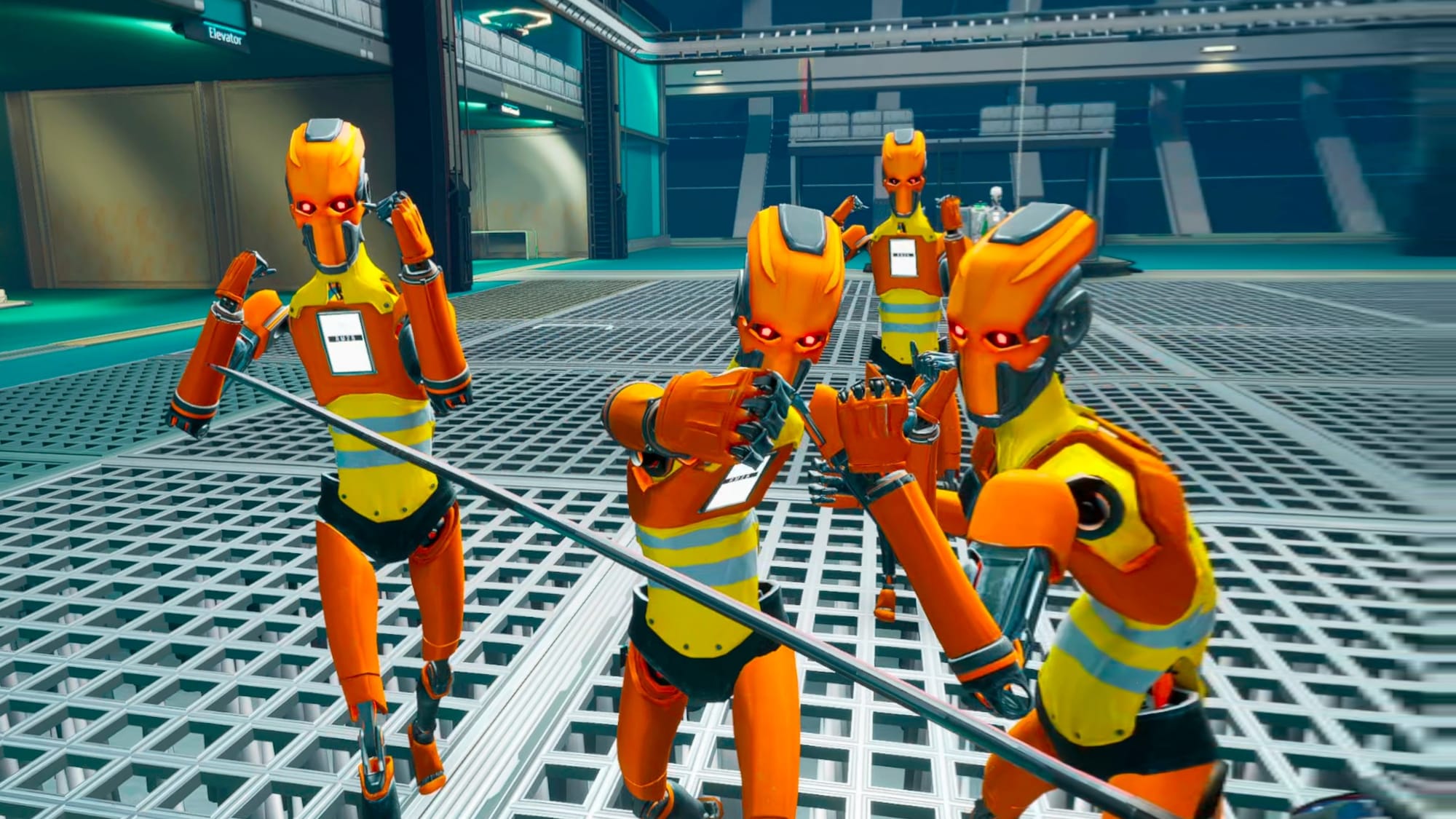
of upcoming features.BoneworksInto The Darkness is definitely a physics-forward game, and as such the physics engine shows flashes of brilliance (leaving trails through the deep snow is a nice touch) but it also exposes the limits of the game’s interactivity. Into The Darkness’s physics engine is surprisingly limited. Most physics games are fun because you can play with items and the environment. These limitations aren’t accompanied by any performance improvements. My desktop is equipped with an Nvidia GeForce GTX 4070, an Intel Core i9-11900, 32GB DDR4 memory, and a Gen4 1TB M.2 SSD. This was done using Quest 3 with Virtual Desktop for PC VR. The combat system is the most impressive and you will be punching and stabbing through mechanical enemies in the first few encounters. Enemies can even be torn apart in a way that makes one think someone on the team asked, “What if Robo Recall, but also Boneworks?”
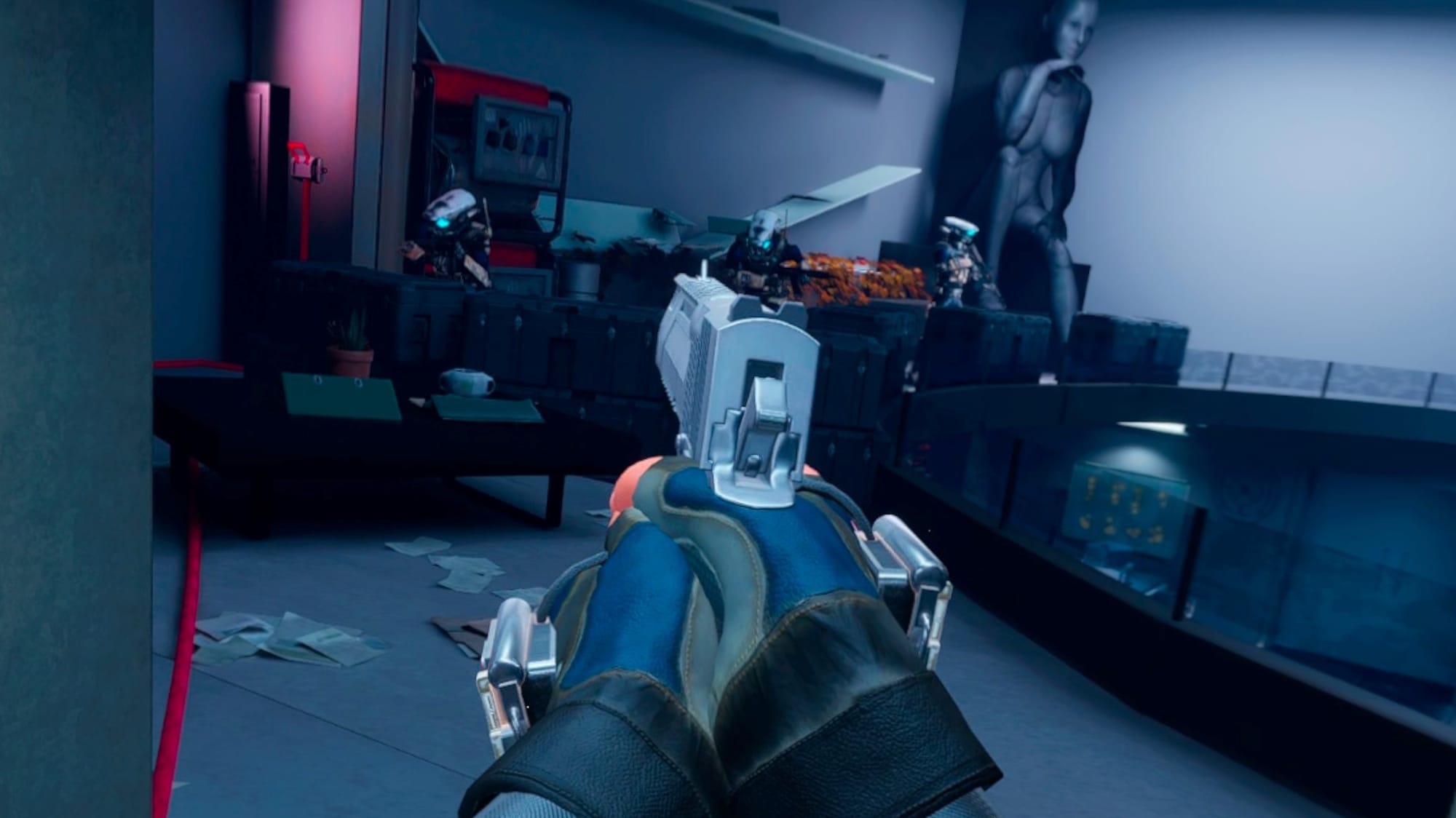
It’s quite satisfying when it works, thanks in no small part to the excellent sound design that contributes as much to the combat’s satisfying weight as the physics system. However, fluidity isn’t always there when engaging in melee, as enemies have a tendency to clump together in a way that feels like prototype AI behavior that’s somehow stayed in the game.
Gunplay is fairly solid, again thanks to chunky audio design that makes each shot feel impactful, particularly headshots which have a delightfully pleasing
clonklist. That said, aiming can sometimes feel inconsistent and holstering weapons is so diabolically unreliable that any sense of fluid
action hero flow
is drowned out in the staccato of enforced deliberacy.
Unfortunately, Into The Darkness in its current state is weighed down by a raft of technical problems. In the four hours I spent with the game, the first 90 minutes were sacrificed to a cursed run that was so bugged that I decided to abort and start fresh.Steam PageDespite my second attempt being a considerably more solid experience, both saves saw their fair share of glitches. From broken rope physics that turned a simple hand over hand climb into a nightmarish Bucking Bronco, to puzzles that loaded in missing key items, Into The Darkness wears its Early Access status on its sleeve.
There were also broken mantling mechanics that stopped me from progressing after a climb, moments where I clipped through the environment and plummeted to my death, not to mention corrupted saves that saw me restart without my weapons.
Presently, there’s a solid foundation and a clear vision with a promising
outlining upcoming features, levels, and much-needed fixes. If the development continues in this direction, Into The Darkness could one day join the ranks of other fantastic physics first games. It is difficult to recommend it at the moment. This is a good option for VR fans who enjoy supporting projects and watching games develop in real time. For those who want a completed product, the wait is worth it.
[ad_2]
Source link